The Ultimate Guide to Handgun Ammo: Calibers, Bullet Types, and Selection
Finding the right handgun ammo is key for every shooter. Whether you shoot for fun, range practice, or personal defense, the right round makes a big difference. This guide breaks down everything you need to know about pistol and revolver ammo in simple terms. Shop top brands and in-stock rounds at Prime Tactical Solutions.
1. What Is Handgun Ammo?
Handgun ammo consists of cartridges made specifically for handguns. People often call a single cartridge a round. Each round holds all the parts needed to fire a bullet from a gun.
Handgun rounds are smaller and less powerful than rifle rounds. They are built for close-range shooting. Most pistol shooting happens under 50 yards. Choosing the right round keeps your gun working smoothly. Find your top picks today at Prime Tactical Solutions Handgun Ammo.
2. The 4 Parts of a Cartridge
Every standard handgun round has four main parts:
- 1. The Case: The outer shell that holds all parts together. Most cases use brass, steel, or aluminum.
- 2. The Primer: A small cap at the bottom of the case. When the firing pin hits it, it sparks.
- 3. The Powder: Gunpowder packed inside the case. The spark lights the powder to create expanding gas.
- 4. The Bullet: The projectile at the top. Gas pushes the bullet out of the gun barrel.
3. Understanding Bullet Types (FMJ, JHP, and More)
Different bullets perform different tasks. Here are the most common bullet types you can buy:
Full Metal Jacket (FMJ)
An FMJ bullet has a soft lead core covered in a hard metal shell. These bullets do not expand on impact. They punch clean holes through paper targets. FMJ ammo costs less to make, so it is best for range practice.
Jacketed Hollow Point (JHP)
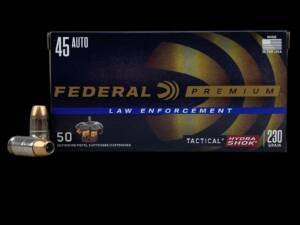
A JHP bullet has a pit or hole in its tip. When it hits a target, fluid forces the tip to open wide like a mushroom. This stops the bullet fast and lowers the chance of over-penetration. Use JHP for home defense and concealed carry.
Total Metal Jacket (TMJ)
TMJ bullets enclose the lead core completely, including the base. This design lowers lead smoke during indoor shooting.
Frangible Rounds
Frangible bullets use pressed metal powder. They shatter on hard surfaces like steel targets. This cuts down ricochet risk at close range.
Hard Cast Lead
Hard cast bullets use tough lead alloys. They offer deep penetration rather than expansion. Shooters use them for animal defense in the woods.
4. Bullet Weight and Grain Explained
When you buy ammo, you will see a weight unit called grains (gr). A grain is a very small unit of weight. There are 7,000 grains in one pound.
- Light Bullets: Travel faster but deliver less momentum downrange. They produce snappy recoil.
- Heavy Bullets: Travel slower but carry more energy into the target. They produce a push-like recoil feel.
For example, 9mm ammo often comes in 115 gr, 124 gr, and 147 gr weights. Train with the same weight you carry for personal protection.
5. Deep Dive: Popular Handgun Calibers
Explore our wide selection of hand gun calibers. Click any link below to check live inventory at Prime Tactical Solutions:
9mm Ammo
The 9mm ammo caliber is the global standard for handguns. It offers high capacity, low recoil, and great stopping power with modern JHP loads.
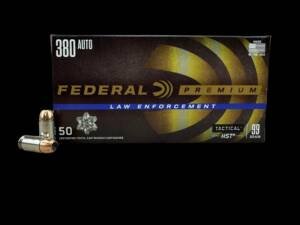
.380 Auto Ammo
Also known as 9mm Short, .380 Auto ammo works best in small pocket pistols built for light concealed carry.
.40 S&W Ammo
Built for law officers, .40 S&W ammo fires a heavy bullet at high speed for strong defense energy.
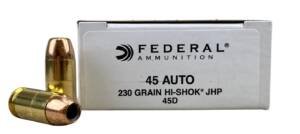
.45 ACP Ammo
A classic American round. .45 ACP ammo uses big, heavy bullets to hit hard with high accuracy.
10mm Ammo
Built for high speed and power, 10mm ammo excels at woods defense and handgun hunting.
.357 Magnum Ammo
A famous revolver load. .357 Magnum ammo offers high speed and deep punch for sport or carry.
.38 Special Ammo
Easy to shoot with light recoil, .38 Special ammo is a top pick for revolver training.
.44 Magnum Ammo
Pure power for large revolvers. Buy .44 Magnum ammo for big game hunting and trail defense.
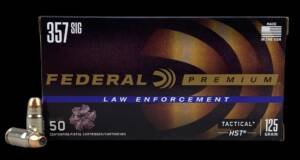
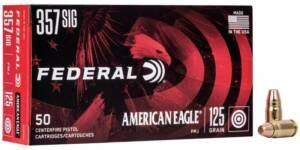
.357 Sig Ammo
Fast and flat-shooting. .357 Sig ammo brings magnum speeds to semi-automatic pistols.
5.7x28mm Ammo
A modern round with extreme speed. 5.7x28mm ammo features low recoil and flat flight paths.
.25 Auto Ammo
Made for ultra-small pocket guns, .25 Auto ammo gives you gentle recoil in micro frames.
.32 Auto Ammo
A soft-shooting round with low kick. .32 Auto ammo is easy to shoot for target practice.
.45 Long Colt Ammo
A classic cowboy round. .45 Long Colt ammo works great in single-action revolvers.
6. Choosing Ammo by Use Case
For Target Practice & Range Use
When training at the range, look for budget options. Pick full metal jacket (FMJ) rounds. Buying in bulk boxes saves you cash on every shot.
For Personal Defense & Concealed Carry
Never cut corners on self-defense ammo. Choose jacketed hollow point (JHP) rounds. Test two full boxes in your gun to verify reliable cycling.
For Handgun Hunting
Hunting calls for heavy bullets that penetrate deep. Look for heavy hollow-point or hard-cast loads in calibers like 10mm, .357 Mag, or .44 Mag at Prime Tactical Solutions.
7. Understanding Pressure and +P Ammo
Some ammo boxes have a +P or +P+ label. +P stands for higher pressure. These rounds travel faster and carry more energy downrange.
Warning: Check your gun manual first. Not all handguns can safely shoot high-pressure +P rounds.
8. Steel vs. Brass vs. Aluminum Cases
Case metal changes price, function, and reloading options:
- Brass: The industry standard. Smooth, reliable, non-corrosive, and easy to reload.
- Steel: Costs less to buy, but wears on gun extractors faster. Non-reloadable.
- Aluminum: Light and cheap for practice, but non-reloadable.
9. How to Store Your Ammo Safely
Follow these easy steps to keep your ammo fresh for years:
- Keep ammo in a cool, dry room away from moisture.
- Use sealed metal or plastic ammo cans with rubber gaskets.
- Drop a silica gel pack inside each can to pull moisture out of the air.
- Keep rounds in original factory boxes to track lot numbers easily.
10. Frequently Asked Questions
Can I shoot .38 Special out of a .357 Magnum handgun?
Yes. The .38 Special round is shorter than the .357 Magnum, so it fits safely in .357 Magnum revolver chambers. However, you cannot fire .357 Magnum rounds in a gun marked only for .38 Special.
How long does ammo last?
Stored in a cool, dry place, modern factory ammo lasts for decades without issue.
What is the best handgun caliber for beginners?
The 9mm is the best starting point. It offers low recoil, low cost, and endless choices for training and carry.